The Islands at the End of the Ferry Line: How Vieques and Culebra Became Puerto Rico's Wild West
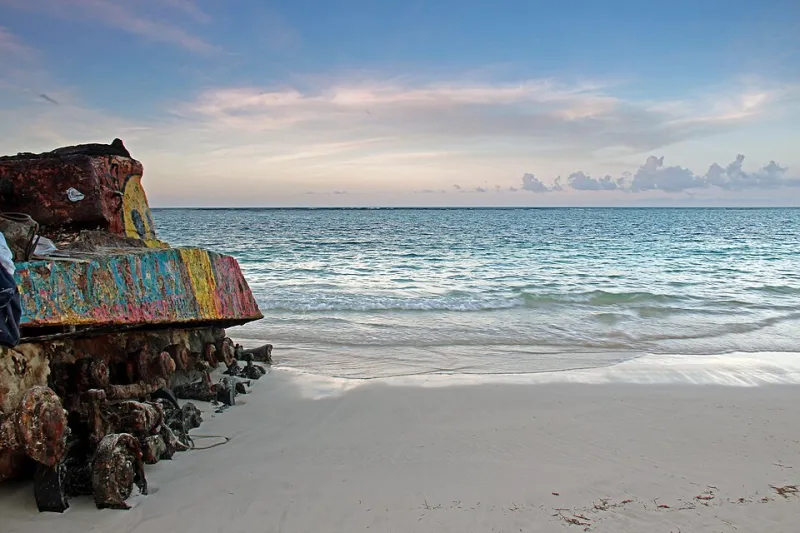
Photo: Carolyn Sugg, CC BY-SA 2.0, via Wikimedia Commons
There's a moment, about twenty minutes into the ferry ride out of Ceiba, when the main island of Puerto Rico shrinks behind you and you realize you're heading somewhere genuinely different. Not just different beaches — a different relationship with geography itself.
Vieques and Culebra sit off Puerto Rico's east coast, and their isolation has shaped everything about them: their ecosystems, their history, and even their politics. Here's what makes them worth the boat ride.
Vieques: The Island the Military Left Behind
For six decades, the US Navy controlled roughly two-thirds of Vieques, using it as a bombing range. That's a painful chapter — protests in 1999-2000 were among the largest in modern Puerto Rican history, and the Navy finally left in 2003.
But here's the complicated ecological twist: decades of restricted access left huge swaths of the island untouched by development. Today, the former bombing lands are the Vieques National Wildlife Refuge, one of the largest in the Caribbean. The beaches on the former range side — Playa Caracas, Pata Prieta — are among the most beautiful and least crowded you'll find anywhere under the US flag.
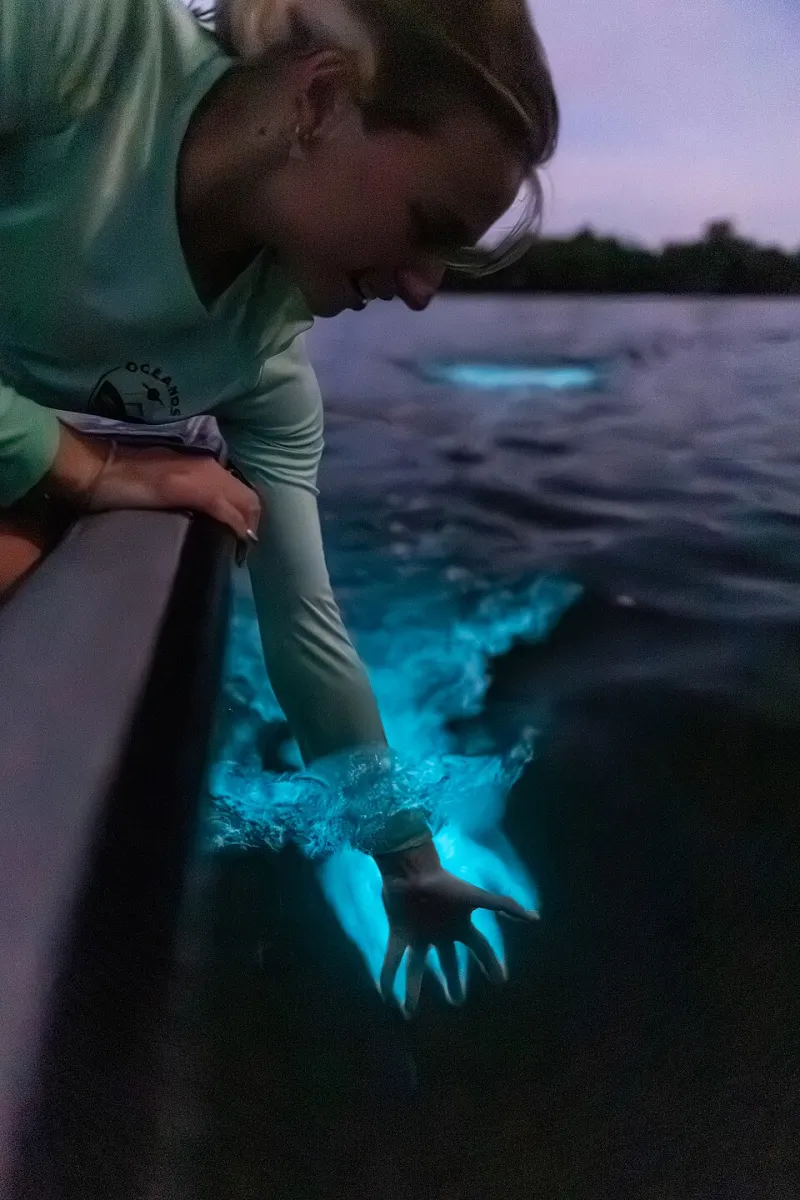
And then there's Mosquito Bay, officially the brightest bioluminescent bay on Earth per Guinness World Records. The dinoflagellates that light it up thrive because the bay's narrow mouth limits water exchange and the surrounding mangroves feed them nutrients. It's geography and biology working together — and it's best seen on a moonless night from a clear kayak.
Culebra: Small, Wild, and Proud of It
Culebra is smaller, drier, and even more laid-back than Vieques. Its crown jewel is Flamenco Beach, regularly ranked among the world's best — a perfect horseshoe of white sand with a rusted Navy tank half-buried in the surf as a surreal photo op.
The island sits on a shallow platform with surrounding cays and reef systems that make it a snorkeling magnet. Culebrita, a tiny uninhabited island nearby, hosts one of the Caribbean's most important hawksbill turtle nesting beaches. Day-trip charter boats from Fajardo and Culebra's own dock will get you there.
Logistics for the Trip
- Ferries: Passenger and cargo ferries run from Ceiba to both islands. Book passenger tickets online in advance; the cargo ferry is how locals get their trucks over.
- Flights: Small planes from Ceiba or San Juan get you there in 15-20 minutes if the schedule doesn't work.
- On the islands: Rent a jeep or a golf cart. Both islands have limited public transport, and the good beaches require a bit of a drive.
- Timing: Weekdays are dramatically quieter than weekends, when Puerto Rican families flock over.
Why the Distance Matters
Geographers talk about island biogeography — the idea that distance and isolation shape what lives somewhere and how it evolves. Vieques and Culebra are close enough to share species with the mainland but far enough that development never caught up. The result is a pair of islands where nature got a 60-year head start on conservation, entirely by accident.
Go for the beaches. Stay for the stars, the bioluminescence, and the feeling that you've reached the edge of the map.