Black Sand, Glow-in-the-Dark Water, and Coral Rubble: Seven Beaches With Backstories
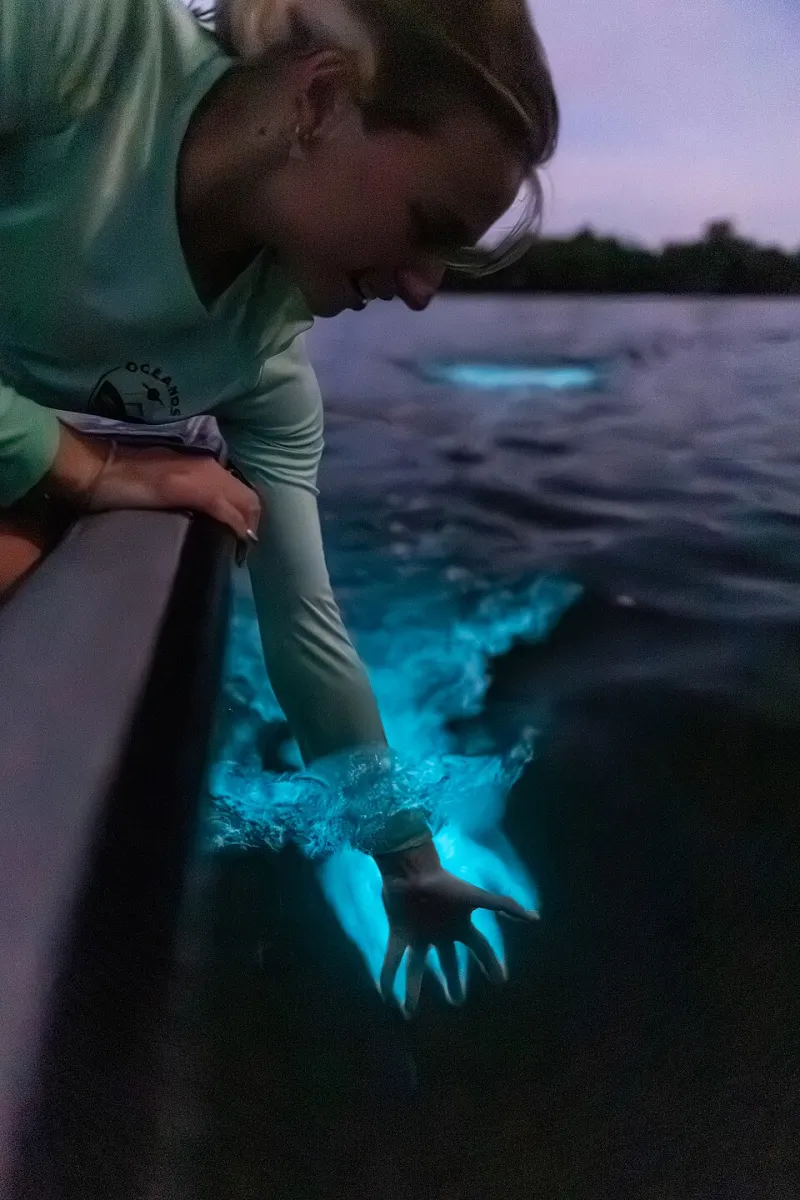
Photo: NASA/Milan Loiacono, Public domain, via Wikimedia Commons
Most travel guides rank Puerto Rico's beaches by prettiness. That's fine, but it misses the best part. Every distinctive shoreline on the island exists because of something — a volcano, a river, a coral reef, a colonial port — and knowing that something turns a beach day into a field trip. Here are seven beaches, and the stories written in their sand.
1. Mosquito Bay, Vieques — The Bay That Runs on Chemistry
Recognized by Guinness as the brightest bioluminescent bay on the planet, Mosquito Bay glows because of Pyrodinium bahamense, a dinoflagellate that flashes blue-green when disturbed. The bay glows so intensely because of its shape: a narrow, mangrove-ringed entrance limits water exchange, trapping the organisms and the nutrients they feed on. For centuries, locals explained the light with folklore; today it's a protected natural wonder. Visit on a moonless night, by kayak, with an operator who follows conservation rules — the glow only survives if the mangroves do.
2. Playa Negra, Vieques — The Beach Built by a Volcano (Sort Of)
Puerto Rico sits on the edge of the Caribbean Plate's collision zone with the Atlantic, and Vieques carries the receipts. The island's bedrock includes old volcanic and igneous material, and when waves erode those dark rocks, they produce the magnetite-rich black sand that gives Playa Negra its name. It's not a beach of black sand so much as a beach streaked with it — silver sand and charcoal stripes, depending on the swell.
3. Playa Sucia (La Playuela), Cabo Rojo — Limestone, Cliffs, and Salt
At the island's southwestern tip, white sand sits beneath 200-foot limestone cliffs at the Cabo Rojo Lighthouse. This is karst country's coastal cousin: ancient coral and marine deposits compressed into rock, then carved by wind and waves. Nearby, the historic salt flats at Las Salinas — worked since pre-Columbian times and later a Spanish colonial operation — show how humans harvested the coast's chemistry for over a thousand years.
4. Condado Beach, San Juan — The Urban Edge
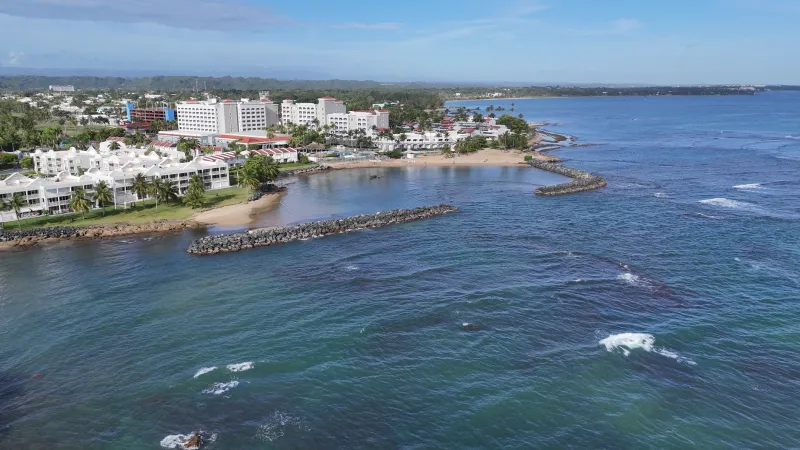
Condado is what happens when a city grows up against the Atlantic. Its wide sands sit beside early 20th-century architecture from the era when San Juan's tourism industry was born, and its strong rip currents are a reminder that the same Atlantic that built the beach never stops managing it. It's a working beach — joggers at dawn, vendors by noon — and a good lesson in how a capital city and a shoreline negotiate space.
5. Crash Boat Beach, Aguadilla — From Naval Pier to Snorkel Spot
The name says it all. A pier built during World War II to service military vessels now serves a very different mission: jumping-off point for swimmers and snorkelers. The north coast's limestone shelf creates clear water and reef life close to shore, and the old pier structure has become an artificial reef in its own right.
6. Luquillo Beach — Where the Rainforest Meets the Reef
Backed by a curtain of coconut palms with the Luquillo Mountains — and El Yunque's rain clouds — rising in the distance, this horseshoe bay is sheltered by offshore reef. Coral reefs do more than pretty up the snorkeling: they're the island's breakwater, absorbing wave energy and manufacturing the very sand on the beach. Much of what you're lying on in Puerto Rico is, technically, parrotfish handiwork.
7. Playa La Playita, Vieques — Coral Rubble and Quiet Coves
Some beaches are made of ground coral and shell rather than quartz — a reminder that in the tropics, the shoreline is alive and recycling itself. La Playita's calm, shallow water, protected by reef and mangrove, made it a natural harbor for fishermen long before it appeared on any tourist map.
The Common Thread
Volcanic fragments, compressed coral, trapped plankton, salt ponds, mangrove nurseries — Puerto Rico's coastline is a museum you're allowed to walk on. The best part? Every beach on this list is public. Pack the sunscreen, bring a little curiosity, and read the sand.