Cane Fields to Canopy: The Quiet Revolution Reshaping Puerto Rico's Land
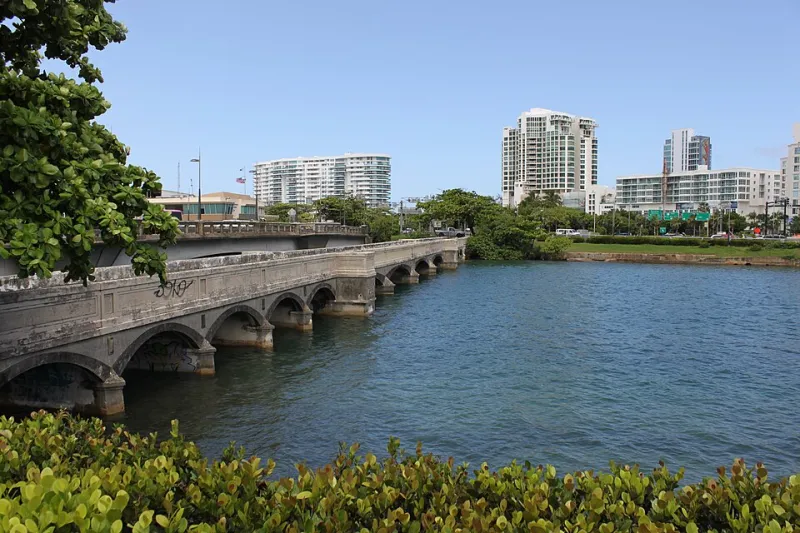
Photo: Pomeroyc, CC BY-SA 3.0, via Wikimedia Commons
Drive through the coastal lowlands of Puerto Rico's northern or southern shores and you'll notice something that doesn't quite fit the tropical postcard image: wide, flat stretches of land that seem almost too open. No dense jungle here, no towering ceiba trees. Just scrubby growth reclaiming old fields, the occasional rusting piece of farm equipment half-swallowed by vines, and the ghost geometry of irrigation ditches that once fed one of the most productive sugar industries in the Caribbean.
This is the landscape left behind by an empire built on sweetness — and right now, it's being reimagined in ways that would have seemed impossible just a generation ago.
A Century of Sugar, and What It Cost
At its peak in the early 1900s, sugarcane covered roughly 250,000 acres of Puerto Rican land. U.S. corporate interests, following the 1898 transfer of the island after the Spanish-American War, quickly consolidated landholdings and converted enormous swaths of coastal and valley terrain into monoculture plantations. Native forests were cleared, wetlands were drained, and the island's extraordinary biodiversity took a serious hit.
The environmental cost was staggering. Monoculture farming stripped soil of nutrients, altered drainage patterns, and wiped out the layered ecosystems that had evolved over millennia. By the time the sugar industry collapsed in the mid-20th century — unable to compete with lower-cost producers elsewhere — it left behind degraded soil, displaced rural communities, and a landscape that had largely forgotten how to be wild.
But nature, it turns out, has a long memory.
Rewilding in Real Time
Since the 1950s, Puerto Rico has actually experienced one of the most dramatic forest recoveries in the Western Hemisphere. As agriculture declined and people moved to cities, abandoned farmland began reverting to secondary forest. Satellite data shows that forest cover on the island jumped from around 6% in the 1940s to over 50% today — a remarkable rebound by any measure.
But not all forest recovery is equal. Much of the early regrowth was dominated by non-native species like the African tulip tree and the introduced African grass called molasses grass, which can actually prevent native seedlings from establishing. Real ecological restoration — the kind that brings back biodiversity and builds long-term resilience — requires a more intentional hand.
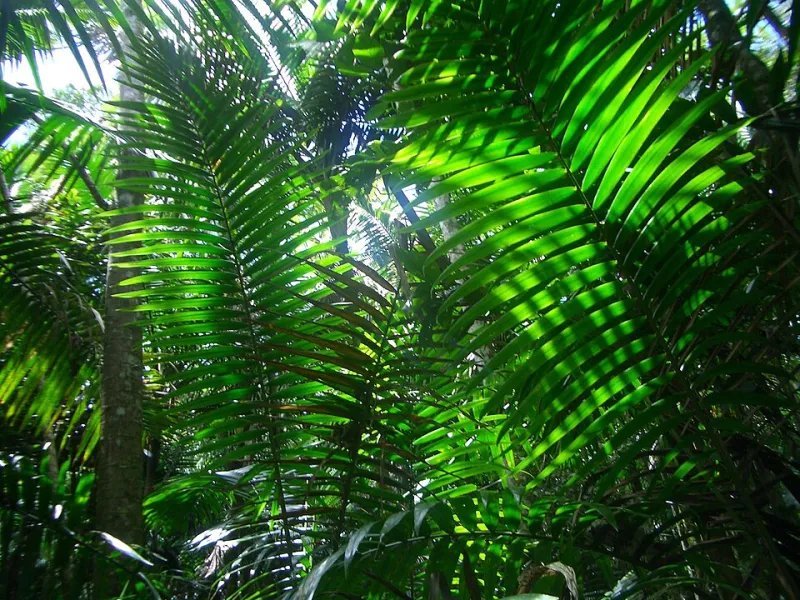
That's where modern conservation efforts come in. Organizations like Para la Naturaleza, a Puerto Rico-based conservation nonprofit, have been quietly acquiring former plantation lands and working to restore native plant communities. Their projects span the island, from the dry limestone karst hills of the northwest to the humid foothills of the central mountain range. The goal isn't just to grow trees — it's to rebuild functioning ecosystems that can support native wildlife, filter water, and anchor the island's cultural identity.
Urban Green Spaces: A Different Kind of Restoration
In Puerto Rico's cities, a parallel transformation is underway. San Juan, Ponce, and Mayagüez are all grappling with the legacy of rapid mid-century urbanization, which paved over floodplains, eliminated coastal mangroves, and created heat islands in low-income neighborhoods that have fewer trees and more concrete than wealthier areas.
After Hurricane Maria devastated the island in 2017, the conversation about urban green spaces shifted from "nice to have" to "absolutely essential." The storm made painfully clear how vulnerable densely built neighborhoods were to flooding, wind damage, and prolonged power outages. Trees and green corridors, it turns out, aren't just pretty — they absorb stormwater, reduce temperatures, and provide psychological relief during long recoveries.
Community-led initiatives have since sprouted across the urban landscape. In the Santurce neighborhood of San Juan, vacant lots are being converted into community gardens and pocket parks. Along the coast in Piñones, local groups are fighting to protect and expand mangrove buffers that serve as both nurseries for marine life and natural storm barriers. These aren't top-down government programs — they're neighbors deciding that their geography matters and doing something about it.
The Cultural Dimension of Land
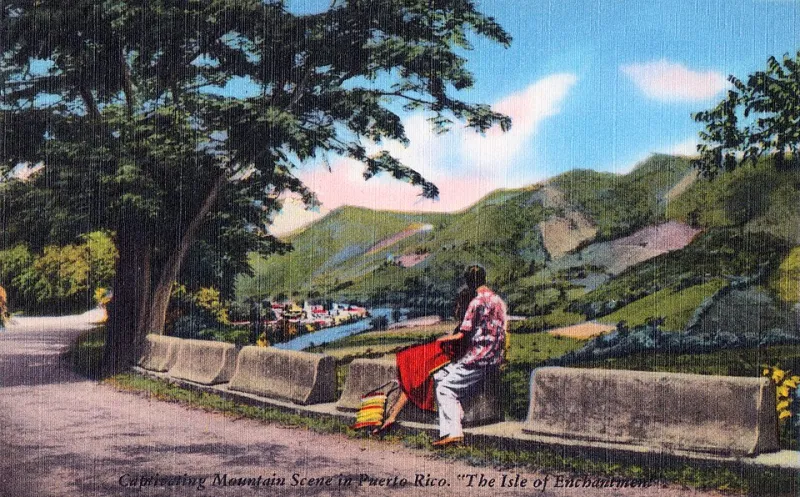
What makes Puerto Rico's land-use story particularly rich is how deeply geography and cultural identity are intertwined. The island's jíbaro tradition — the rural, mountain-dwelling farmer who became a symbol of Puerto Rican identity — was itself shaped by the physical landscape of the central cordillera. Coffee farms carved into steep hillsides, conucos (small subsistence plots) tucked into forest clearings, the knowledge of which plants heal and which plants feed: all of this is rooted in a specific relationship with the land.
As that land changes, so does the culture. Some see rewilding efforts as a chance to reconnect with ancestral ecological knowledge — incorporating native plants that were used for food and medicine long before colonial agriculture arrived. Others worry that conservation projects, however well-intentioned, can displace rural communities or restrict access to land that families have worked for generations.
Navigating that tension is one of the central challenges of Puerto Rico's environmental future. The most successful projects tend to be the ones that treat local communities not as obstacles but as essential partners — people who carry irreplaceable knowledge about how specific places on the island behave, flood, grow, and heal.
What Comes Next
Puerto Rico sits at an interesting crossroads. The island faces real pressures: population decline as residents emigrate to the mainland US, climate change intensifying storm seasons, and ongoing economic uncertainty that makes long-term land stewardship a hard sell politically.
But there's also genuine momentum. Federal conservation funding, diaspora investment in ecological projects, and a growing generation of young Puerto Ricans with deep interest in environmental science are all pushing the needle. The idea that old cane fields could become biodiverse forests, that urban neighborhoods could be cooler and greener and more flood-resilient, that the island's geography could be an asset rather than a vulnerability — these aren't just ideals anymore. In a lot of places across Puerto Rico, they're already happening.
The land is changing. The question is whether the people shaping that change can do it in a way that honors both the ecology and the communities that call this island home.