One Island, Four Climates: Chasing the Trade Wind Across Puerto Rico
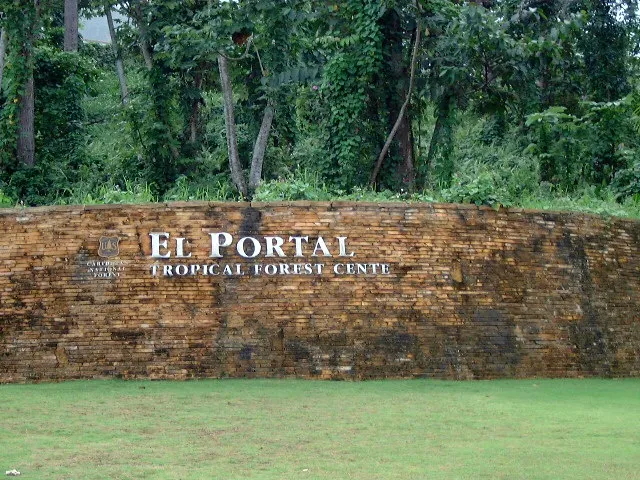
Photo: GothamNurse, CC BY-SA 2.0, via Wikimedia Commons
Ask a meteorologist in Kansas to describe the state's climate and they'll need a spreadsheet. Ask someone in Puerto Rico, and they might just point east and say, "the wind comes from there."
That's only a slight exaggeration. The island's climate is dominated by a single engine: the northeast trade winds, steady easterly breezes that blow across the Atlantic year-round. But what Puerto Rico does with that wind — the way its mountains wring rain from the sky on one side and leave the other side parched — is what makes a drive across the island feel like flipping through a climate atlas.
Morning: Wind Meets Mountain
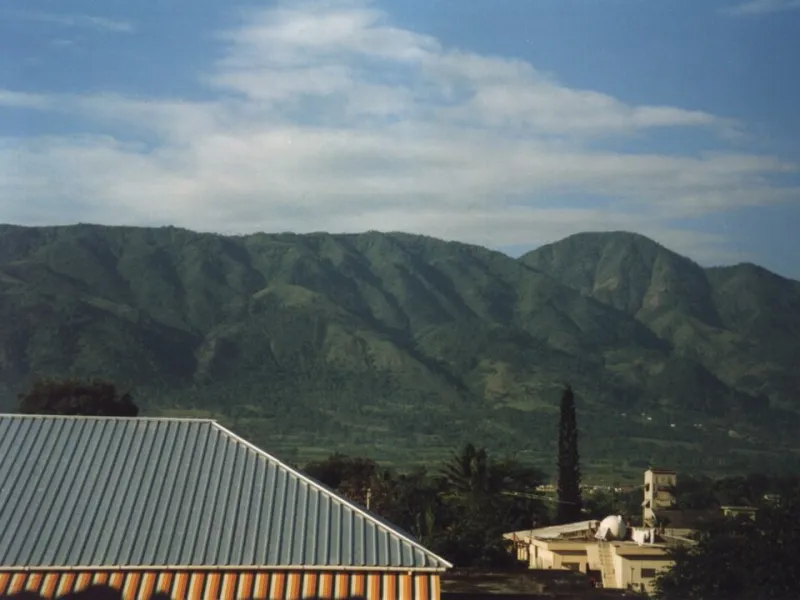
Picture the trade wind arriving off the Atlantic at dawn. It's loaded with moisture, and as it pushes west across the island's eastern coast, it hits an obstacle it can't go around: the Cordillera Central, the mountain spine running the length of the island, rising to over 4,300 feet at Cerro de Punta.
The wind has only one option — up. And rising air cools. Cool air can't hold as much water vapor, so clouds form, condense, and rain falls. Meteorologists call this orographic lift. Puerto Ricans just call it the wet side of the island.
Nowhere is the effect more dramatic than in El Yunque National Forest, the only tropical rainforest in the U.S. Forest Service system. The luquillo peaks catch the trade winds like a sail, and the result is staggering: some slopes receive around 200 inches of rain per year. That's more than four times what Seattle gets. Moss carpets everything. Clouds often sit directly on the mountaintop, feeding a cloud forest where dwarf trees cling to ridgelines at temperatures noticeably cooler than the coast below.
Midday: Squeezed Dry on the Other Side
By the time that same air has climbed over the mountains and descends the southwestern slopes, it's warm and bone dry — it left its moisture on the other side. This is the rain shadow, and in Puerto Rico it creates one of the most surprising landscapes in the Caribbean.
Around Guánica and the Ponce area, annual rainfall can drop below 30 inches. Guánica's dry forest is so distinctive that UNESCO designated it a biosphere reserve. Instead of dripping ferns, you'll find cactus, gumbo-limbo trees that shed their bark, and scrubland that looks closer to the American Southwest than to a tropical island. Ponce, the island's second-largest city, bakes in sunshine while San Juan, just 60-some miles away on the windward side, ducks under afternoon showers.
Afternoon: The Sea Breeze Fights Back
Here's where it gets interesting. The trade wind isn't the only breeze on stage. As the land heats up through the morning, local sea breezes kick in along the coasts, pulling cool marine air inland. Where the sea breeze collides with the trade wind or gets funneled up mountain valleys, you get the island's characteristic afternoon thunderstorms — the kind that roll over the central mountains and make travelers wonder why they didn't pack a rain shell.
The mountains also break the trade wind into localized patterns. Valleys channel the wind. Slopes facing east stay lush; slopes facing west stay brown. Two farms a mile apart can live in different rainfall worlds.
Why Travelers Should Care
This is all more than trivia. It's the reason a single day trip can cross four climate zones:
- Morning in San Juan: warm, humid, breezy coastal weather
- Late morning in El Yunque: rainforest rain, mist, temperatures dropping with elevation
- Early afternoon over the Cordillera: cool mountain air, fog possible
- Sunset in Ponce or Guánica: dry, hot, reliably sunny
Pack accordingly. That swimsuit-and-rain-jacket combination isn't overpacking — it's just respecting the geography.
A Small Island That Behaves Like a Big One
Puerto Rico is roughly 100 miles long and 35 miles wide. You could drive its length in under three hours. Yet within that footprint sit a tropical rainforest, a subtropical dry forest, cloud forests, mangrove swamps, and everything between.
The lesson geographers keep coming back to is simple: on this island, terrain beats size. The trade wind delivers the same air to everyone — but the mountains decide who gets the rain. And that 9 AM breeze you feel on the beach in Luquillo? Somewhere over the Cordillera Central, it's currently falling as rain on a cloud forest, and by afternoon it'll be drying out a cactus in Guánica.
One wind. One island. A dozen climates. That's Puerto Rico.